Why European Football Is Still the Gold Standard for Global Fans
European football continues to be the gold standard for global fans, broadcasters, analysts, and players. While football is played worldwide, no region offers the same combination of elite talent, competitive leagues, tactical depth, financial power, and historical culture. Even as other continents grow rapidly, Europe remains the centre of world football — and for good reason.
Elite Player Quality
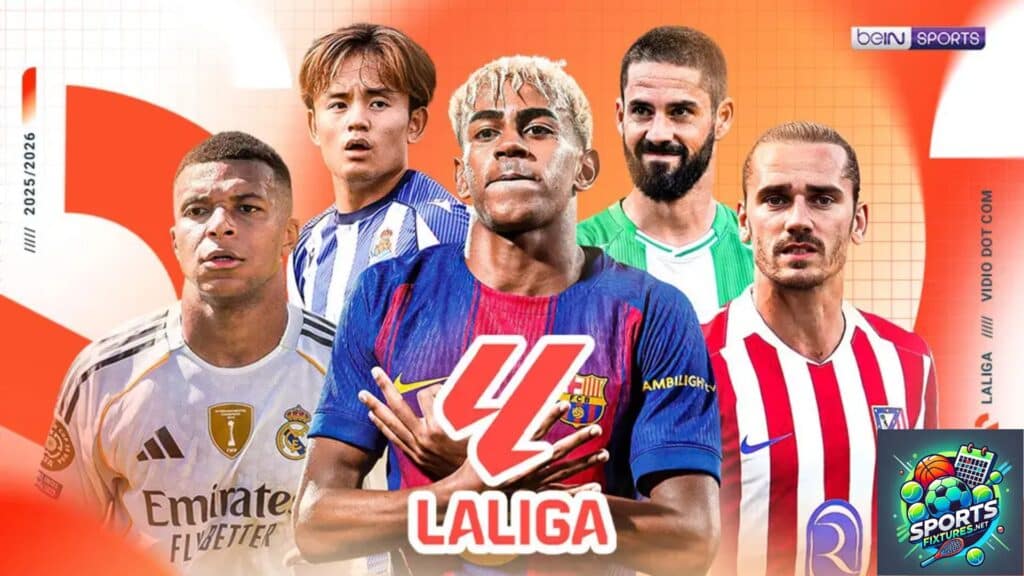
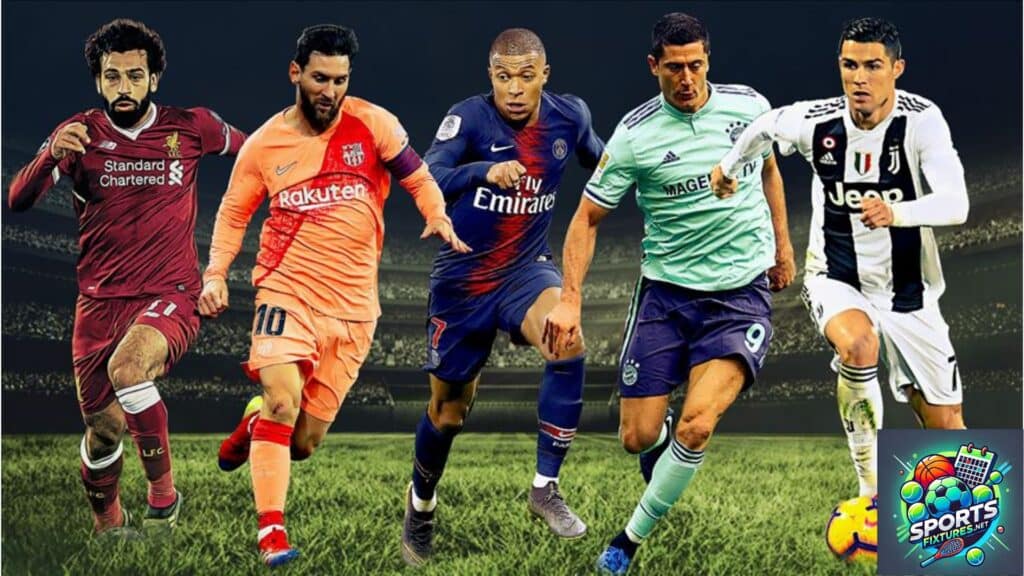
One of the biggest contributing factors is the sheer quality of the top leagues. The Premier League, La Liga, Serie A, Bundesliga, and Ligue 1 bring together the world’s best players week after week. These leagues have strong scouting networks, youth academies, and financial resources that allow them to attract top-level talent from South America, Africa, and Asia. Fans watching European football know they’re seeing players at the peak of the sport.
Competitive League Structures
But Europe’s dominance is not just about player quality — it’s also about structure. The league systems are highly competitive, with multiple clubs capable of challenging for titles, European qualification, and domestic cups. Even mid-table teams often play at a very high standard. This balance creates unpredictability, one of the main reasons fans enjoy European leagues more than competitions where only one or two clubs dominate.
Tactical Innovation
European football is also tactically superior. The continent’s top managers push the game forward with innovative systems, advanced analytics, and modern training methods. Whether it’s Spanish possession football, German gegenpressing, Italian structured defending, or English intensity, Europe is where new tactical revolutions are born. Fans and analysts follow European leagues not only for entertainment but also for the intellectual side of the game.
Heritage and Culture
Another major reason Europe remains unmatched is its heritage. Clubs often date back over 100 years, with rich histories and deep cultural significance. Rivalries are not manufactured — they are passed down through generations. Cities live and breathe their football, and fans identify strongly with their clubs. This creates atmospheres in stadiums that global audiences find captivating.
Elite Competitions
Competitions like the UEFA Champions League and Europa League further enhance Europe’s status. These tournaments bring together the best clubs from multiple leagues, creating high-stakes matches with elite quality. The Champions League knockout stages produce some of the most memorable moments in sports.
Broadcasting and Global Reach
Broadcasting also plays a huge role. European leagues invest heavily in production quality, camera angles, pitch-side audio, and commentary. This elevates the viewing experience and sets global standards. As a result, fans across Asia, Africa, and the Americas follow European football more than their local leagues.
Player Development and Ambition
Finally, Europe remains the dream destination for players. Young talents from Brazil, Argentina, Nigeria, Japan, and other nations see Europe as the place to prove themselves. The strong infrastructure, coaching, and exposure make it the best environment for career growth.
Conclusion
For all these reasons, European football maintains its status as the global gold standard — and shows no signs of losing that position. From elite talent and tactical innovation to cultural significance and fan engagement, Europe continues to define what world-class football looks like.