F1 Strategy Explained: How Teams Turn Data Into Race Wins
Formula 1 may be a fast, adrenaline-filled sport, but beneath the surface lies a world of complex strategy, data-driven decision-making, and mathematical precision. Every race weekend involves thousands of calculations, simulations, and predictive models designed to give teams even the smallest advantage. For many fans, the strategic side of F1 is even more fascinating than the racing itself. This deep dive explains how F1 teams use data to transform good cars into race-winning machines.
Simulations and Pre-Race Planning
F1 strategy begins long before the lights go out. Teams run massive simulations using historical data, real-time weather predictions, tyre degradation curves, and track-specific characteristics. Before a wheel even touches the circuit, teams usually know the optimal number of pit stops, the fastest tyre sequence, and the best windows for overtaking. These simulations are constantly updated throughout the race weekend.
Tyre Management
Tyre management is at the heart of F1 strategy. Each compound — soft, medium, hard — behaves differently depending on temperature, track evolution, and fuel load. The difference between managing tyres well and poorly can be worth seconds per lap over a full stint. Engineers monitor tyre temperatures, surface wear, and core condition using sensors inside the tyre structure. If a driver overheats tyres early in a stint, the entire strategy collapses. Teams constantly coach drivers on pacing, braking, cornering lines, and energy recovery.
Pit Stop Timing
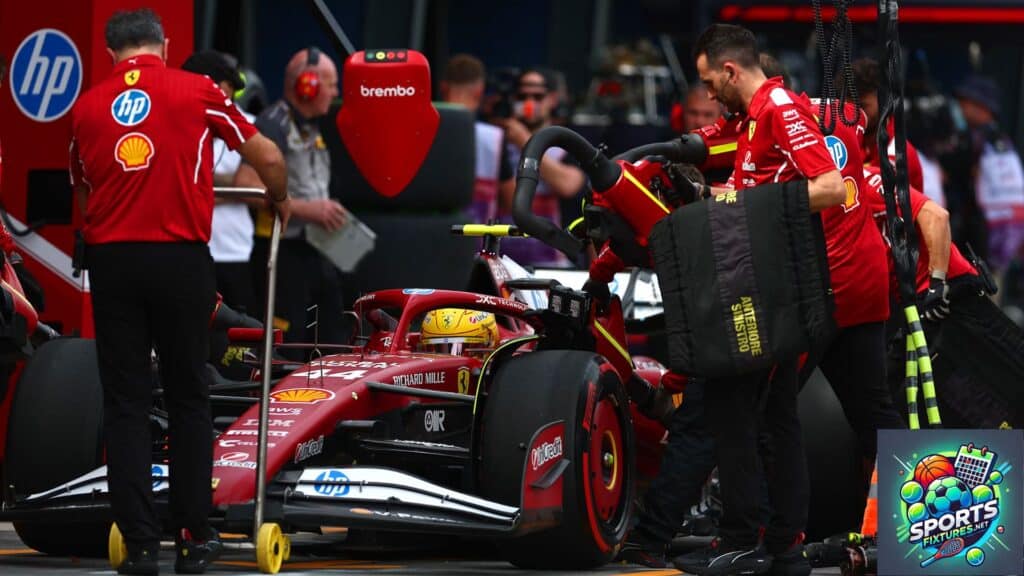
Pit stop timing is another critical strategic element. Modern F1 pit stops take around 2 seconds, but the time lost entering and exiting the pit lane is closer to 20–25 seconds depending on the track. Teams perform “undercuts” to pit early and gain time on fresh tyres, or “overcuts” to stay out longer when tyres are still strong. The choice depends heavily on traffic, tyre life, and race pace.
Safety Cars and Virtual Safety Cars
Safety cars and virtual safety cars (VSC) can completely change strategic calculations. In these situations, pitting becomes much cheaper because the field moves slower. Good teams anticipate when a safety car might occur — for example, at tracks where incidents are common — and adjust their strategy accordingly. The best strategists are not just reactive; they are proactive and predictive.
Fuel Management
Fuel management is also a strategic component. While cars start with enough fuel to complete the race, teams often run cars lighter to maximise pace. Drivers use “lift and coast” techniques to save fuel at high-speed circuits, allowing them to push harder at other moments.
Driver Feedback
Driver feedback is another vital element. F1 is not purely a data-driven sport. Drivers communicate how tyres feel, how the car responds to balance changes, where grip is improving, and how opponents are behaving. Engineers blend this subjective feedback with objective data to make the best calls.
Communication Between Pit Wall and Driver
Communication between the pit wall and the driver is timed perfectly. Teams avoid talking to drivers during heavy braking zones or intense battles. Strategists often wait until the driver is on a straight to deliver critical information.
Conclusion
Ultimately, F1 strategy is a blend of science, timing, intuition, and teamwork. The best teams convert complex data into clear instructions, allowing drivers to perform at their peak. Without strategy, even the fastest car cannot win consistently, highlighting why understanding F1 strategy is crucial for fans and teams alike.